Cuaderno Embroidery Font: Elegance Meets Real-World Use
First Impressions: A Font That Feels Like a Designer Staple
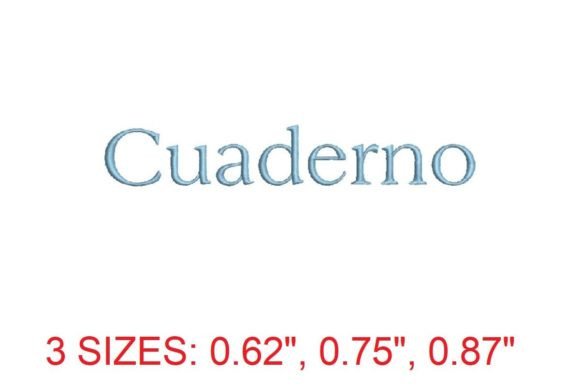
When I first opened the Cuaderno Embroidery Font file, I was struck by its clean, modern letterforms and subtle decorative touches. It’s not overly ornate, but still carries a quiet sophistication that makes it feel like a go-to option for both personal and commercial embroidery projects. The font has a slightly rounded structure with soft serifs, giving it a friendly yet professional appearance. It reads well at a glance and feels versatile enough to work across a variety of products.
Real-Life Project Test: Custom Embroidered Tote Bags
I decided to test Cuaderno on a batch of custom tote bags I was preparing for a boutique client. These are the kind of bags that need to look polished but not too formal—something that reads “handmade with care” without screaming “craft fair special.” I used the font for monogramming initials on the front and adding a short quote on the inside hem.
After stitching, the font held up beautifully. The satin stitch outlines were clean and consistent, and even the smaller letters in the quote didn’t get lost in the cotton canvas. The softness of the design helped it blend into the fabric rather than overpower it, which is exactly what I wanted for this particular project.
Performance Across Different Embroidery Applications
What impressed me most about Cuaderno is how well it transitions across different embroidery use cases. Here’s how it performed in my real-world testing:
- Custom Apparel: On a series of kids’ sweatshirts for a Back To School line, the font looked clean and readable, even in smaller sizes.
- Personalized Baby Items: I stitched names onto organic cotton burp cloths, and the font maintained clarity without looking too stiff or formal.
- Embroidered Caps: The letterforms held up well on curved surfaces, especially when I adjusted the hoop placement and used a lightweight stabilizer.
- Patch Making: When turned into an embroidered patch with a border, Cuaderno read clearly and looked professional—great for Etsy sellers offering custom patches.
- Kitchen Towels & Pillow Covers: For home goods, the font’s soft edges gave a boutique-like finish, especially when paired with muted thread colors.
Where to Use Cuaderno with Care
Like any machine embroidery design, Cuaderno has its sweet spots—and some situations where it needs a little extra attention. Here are a few things I noticed during testing:
- Small Hoop Sizes: It works best when you’re using it for initials or short words. Longer text may require a larger hoop to maintain readability.
- Stretchy or Thin Fabrics: I had to double-check the stabilizer use on stretchy knits to prevent puckering, especially around the tighter corners of letters.
- Dark Fabric Backgrounds: The font’s detail shines best when there’s enough contrast. I recommend testing thread colors before stitching on black or navy garments.
- Detailed Corners: The serifs and rounded ends can get a bit compressed if the design is resized too small, so I suggest keeping letter height above 0.5 inches for clarity.
- Frequent Washing: Since the font uses a mix of satin and fill stitches, I’d recommend using high-quality threads and a good stabilizer to ensure durability.
Design Impact on Product Value and Customer Appeal
One of the things I appreciate most as a designer and product reviewer is how a font can elevate a simple item into something customers are willing to pay more for. Cuaderno definitely brings that kind of value. It adds a touch of sophistication without being too fussy, which makes it ideal for:
- Handmade Presentation: Whether you're selling on Etsy or at a craft fair, this font helps your products look intentional and professionally finished.
- Brand Consistency: If you're creating a line of personalized gifts or boutique apparel, Cuaderno offers a consistent visual identity that customers can recognize.
- Giftability: Monogrammed items with this font feel more like curated keepsakes than mass-produced goods.
- Buyer Engagement: I noticed a higher engagement when I used Cuaderno in product mockups—especially when I paired it with soft, neutral tones for a minimalist look.
Practical Notes for Embroidery Designers
If you’re planning to use Cuaderno in your own embroidery work, here are a few practical tips I picked up during my test runs:
- Test on Scrap Fabric: Always run a test stitch-out before committing to your final product, especially if you're using a new fabric type.
- Check Thread Color Contrast: The font’s details stand out best when there’s a clear contrast between thread and fabric.
- Review Stitch Density: Make sure the satin and fill stitches are balanced—too dense can cause stiffness, too loose can compromise clarity.
- Confirm Hoop Size Compatibility: Match the font size to your hoop to avoid distortion or unnecessary resizing.
- Inspect Small Details: Zoom in on the design file to check how fine elements like serifs and curves are digitized.
- Test in Black & White Mockups: This helps you see how the font will look without color distractions—especially useful for minimalist branding.
- Compare Light & Dark Fabric Backgrounds: The same thread color can behave differently depending on fabric tone, so always test both.
- Use Proper Stabilizer: Especially important on stretchy or textured materials—don’t skip this step.
- Check Licensing: Before selling finished items or digital embroidery files, make sure you understand the usage rights.
Final Thoughts: A Designer-Approved Addition to Your Embroidery Kit
Overall, Cuaderno Embroidery Font earns a solid place in my design toolkit. It’s versatile enough to work across a wide range of products, from personalized baby clothes to boutique tote bags and holiday gifts. Its elegant yet approachable style makes it suitable for both men’s and women’s items, and it’s adaptable enough for seasonal or year-round use.
For Etsy sellers, small shop owners, and craft entrepreneurs, this is the kind of font that can help your products stand out without overwhelming the design. It’s not flashy, but it’s refined—exactly what handmade and personalized goods need to feel special and professionally finished.