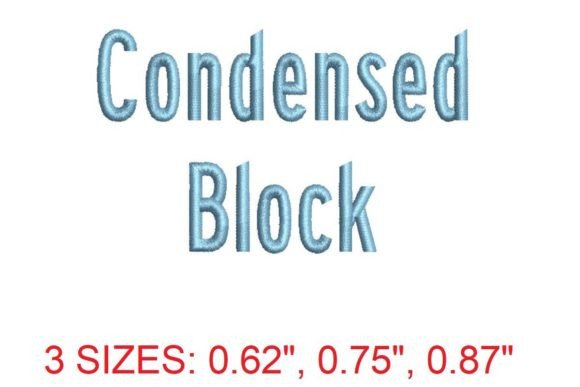
Condensed Block Embroidery Font: Sharp, Sleek, and Ready for Craft Fair Appeal
First Impressions: Bold, Modern, and Versatile for Handmade Markets
The Condensed Block Embroidery Font immediately stands out as a clean, modern choice for craft fair sellers and Etsy shop owners. It’s not overly decorative, but it’s far from plain. This font has a confident, no-nonsense look that reads as both professional and stylish. For Back To School themed items or minimalist boutique products, this font feels like the perfect balance between legibility and visual impact.
It’s the kind of font that works well for both genders and across age groups—ideal for embroidered tote bags, aprons, and tea towels that need to appeal to a wide customer base. The condensed nature of the design makes it space-efficient, so it’s great for small items like patches or fabric pouches where real estate is limited.
How It Performs on Craft Fair Products
As an embroidery designer preparing for a weekend craft fair booth, I tested the Condensed Block Embroidery Font across several product types. Here’s how it held up:
- Tote Bags: Looks sharp on both cotton and canvas. The font’s bold lines hold up well against the natural texture of tote fabrics, and it’s easy to read from a distance.
- Aprons: Perfect for adding names or short phrases. The compact width keeps the design centered without looking cramped.
- Tea Towels: Works beautifully on kitchen linens, especially when embroidered in a contrasting thread color. It gives a boutique-level finish without looking overdone.
- Caps: Surprisingly effective on curved surfaces. The block style maintains clarity better than cursive fonts, making it a solid option for personalized caps.
- Patches: Ideal for small-format embroidery. The clear lettering doesn’t get lost, even on 2–3 inch patches.
- Pillow Covers: Adds a clean, modern touch. Especially effective when used with a coordinating border or monogram layout.
For handmade product sellers, this font is a strong contender for commercial embroidery because of its adaptability and readability across a variety of items.
Practical Selling & Production Considerations
From a production standpoint, the Condensed Block Embroidery Font is straightforward to work with. It’s easy to understand at a glance, which is a big plus for batch embroidery. The letters are consistent and well-spaced, which reduces the need for manual adjustments between lines or words.
It works well both as a small accent—like initials on a pouch—and as a larger focal point, such as a name on a tote bag. When photographing for Etsy listings or printable mockups, it photographs clearly and maintains its visual strength on screen, which is important for online sales.
For digital embroidery file sellers, this font is a smart addition to your design assets. Its versatility makes it repeatable across multiple projects, and it pairs well with other modern design elements like geometric shapes or minimalist icons.
When to Use with Caution
While the Condensed Block Embroidery Font is a solid performer, there are a few things to watch for:
- Dense stitch areas: Some letters may have heavier fill areas that could pucker thin fabrics if not stabilized properly.
- Small lettering: The condensed nature means that at very small sizes, letter spacing can become tight, reducing clarity.
- Textured towels: On thick or looped towels, the stitches may sink into the fabric, making the text appear less defined.
- Curved cap surfaces: While it holds up better than script fonts, letter distortion can still occur if not hooped correctly.
- Dark fabric: Light thread colors may not pop as clearly as expected—always test contrast before production.
Impact on Booth Display and Customer Engagement
At a craft fair or handmade market, visual clarity and readability matter. The Condensed Block Embroidery Font makes it easy for customers to quickly absorb your product message—whether it's a name, a quote, or a Back To School tagline.
It contributes to a clean, cohesive display that feels intentional and professional. For small shop product branding, this font helps maintain consistency across different items, which strengthens brand recognition and perceived value.
Customers are drawn to what they can read easily, and this font delivers that. It also feels handmade without looking amateurish—important for maintaining a premium vibe at your booth.
Designer Notes: What to Check Before Production
Before embroidering dozens of items for your next craft fair or handmade market product line, here are key steps to follow:
- Test on scrap fabric: Especially for textured or dark-colored materials.
- Check thread contrast: Ensure the font remains legible against the fabric color.
- Review spacing: Confirm letter spacing is even and readable at your intended size.
- Confirm hoop size: Make sure the font fits within your hoop dimensions, especially for longer names or phrases.
- Inspect stitch density: Avoid puckering by adjusting density if needed.
- Use the right stabilizer: Especially important for soft or stretchy fabrics.
- Create a real mockup: See how it looks in person before committing to a full batch.
- Compare fabric colors: Some thread colors may blend unexpectedly.
- Confirm commercial licensing: Always check the terms of the digital embroidery file before selling finished products.
The Condensed Block Embroidery Font is compatible with the popular PES file format, making it easy to use with Brother, Babylock, and similar machines—no extra conversion steps needed.
Final Thoughts: A Smart Addition to Your Embroidery Design Kit
Whether you're creating machine embroidery design samples for your booth or preparing listings for your Etsy shop, the Condensed Block Embroidery Font offers a clean, modern aesthetic that sells. It’s practical, adaptable, and visually strong—perfect for craft fair sellers who want to maximize their product impact without complicating production.
If you're looking for a font that’s easy to embroider, reads clearly at a glance, and enhances your product’s handmade quality, this is a smart investment. Just remember to test, adjust, and confirm before production—and you’ll be well on your way to a standout booth or best-selling product line.