Blacklight Font: A Designer’s Honest Review for Real Embroidery Projects
First Impressions: Stylish, Bold, and Definitely Eye-Catching
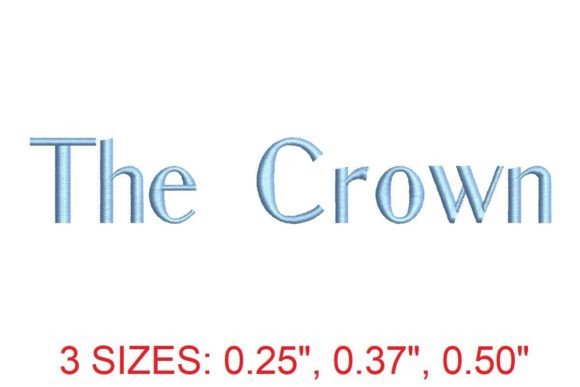
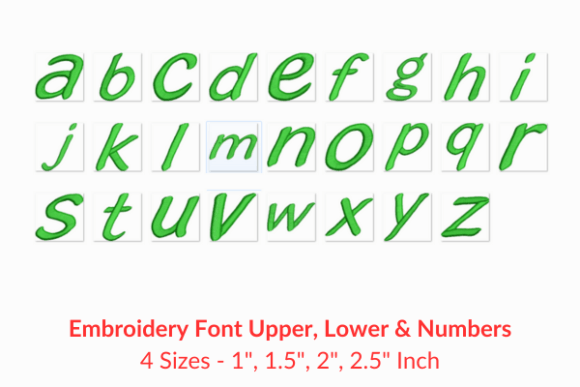
When I first opened the Blacklight Font embroidery design, I was struck by its bold, modern aesthetic. It has a slightly edgy yet elegant vibe, with clean lines and a contemporary structure that makes it stand out from more traditional embroidery fonts. It’s not overly ornate, which makes it versatile for a variety of uses—from casual to semi-formal projects. The font feels like it was designed for someone who wants to make a statement without shouting. It’s got that “just right” balance between legibility and flair.
Visually, it reminds me of fonts used in boutique branding or lifestyle apparel. The spacing between letters is well thought out, and each character maintains a consistent weight and rhythm. This is crucial when embroidering names or short phrases, especially on items like tote bags or sweatshirts where clarity and readability matter.
Real-World Use: How Blacklight Font Holds Up in Actual Embroidery
I decided to test Blacklight Font by stitching it onto a custom embroidered tote bag and a crewneck sweatshirt—two of the most common personalized items I make for my Etsy shop. The font stitched out cleanly with no skipped stitches or distortion, even on the thicker sweatshirt fabric. The satin and fill stitches were smooth and uniform, which is a good sign of a well-digitized embroidery file.
One of the standout features is how well it scales. I used it in both 1.5” and 3” heights, and both sizes held up beautifully. At the smaller size, the letters remained sharp and readable, which is essential when embroidering names on baby clothes or small patches. At the larger size, it looked bold and stylish on the tote bag, giving it that boutique feel customers love.
Where Blacklight Font Shines Brightest
- Custom Apparel: Perfect for adding names or short messages to sweatshirts, hoodies, and tees. The font’s clean lines make it ideal for both kids and adults.
- Baby & Kids Items: Works great on onesies, bibs, and baby towels. The legibility helps parents feel confident about gifting personalized items.
- Tote Bags & Aprons: Gives a clean, modern look that feels handmade but professional—ideal for small shop owners selling on Etsy or at craft fairs.
- Holiday & Wedding Gifts: The font has a subtle elegance that makes it suitable for more formal occasions like embroidered pillow covers or gift towels.
- Commercial Embroidery: Its versatility and readability make it a solid choice for boutique branding or small business merchandise.
Where to Use It Carefully
While Blacklight Font performs well in most scenarios, there are a few situations where it needs a bit more attention:
- Small Hoop Sizes: If you’re working with a very limited hoop space, especially for longer names, consider shortening the text or using a smaller font size. The design can get tight in narrow spaces.
- Textured or Stretchy Fabrics: On knits or fuzzy materials, always use a quality stabilizer to prevent distortion. I found that a medium-weight tear-away worked best.
- Dark Fabric Backgrounds: The satin stitches can sometimes blend into dark threads. Test with contrasting thread colors or consider adding a light outline for better visibility.
- Curved Surfaces (like caps): Be cautious when stitching on curved areas. Adjust your hoop placement and tension to avoid puckering or misalignment.
- Detailed Corners: The sharp corners of some letters (like “E” or “L”) may need extra stabilizer support to prevent pulling or fraying.
How It Affects the Final Product
Blacklight Font definitely elevates the perceived value of a finished product. When I used it on a personalized baby blanket, the recipient commented on how “professional” it looked—exactly the kind of feedback that helps build customer trust. The clarity of the font makes the embroidery feel intentional and high-quality, even on more casual items like kitchen towels or tote bags.
From a branding perspective, it’s a good fit for small businesses or Etsy sellers who want to maintain a cohesive, modern look across their product line. Whether you’re embroidering a name on a sweatshirt or a short quote on a pillow, Blacklight Font helps maintain a clean, consistent visual identity.
Designer Notes: What to Check Before You Stitch
Before using Blacklight Font in your next project, here are a few practical checks I recommend:
- Test on Scrap Fabric: Always run a test stitch before committing to your final product. This helps catch any tension issues or alignment problems early.
- Check Thread Color Contrast: Try a few different thread colors on both light and dark fabrics to see which gives you the best visibility and impact.
- Review Stitch Density: If you’re stitching on stretchy or delicate fabric, reduce the density slightly to prevent puckering.
- Confirm Hoop Size: Make sure your embroidery machine’s hoop can accommodate the size you plan to use, especially for longer names or phrases.
- Inspect Small Details: Zoom in on the digital preview to check how small letters or corners are handled in the design file.
- Use Proper Stabilizer: A quality stabilizer makes a huge difference in the final outcome, especially on tricky fabrics.
- Confirm Licensing: If you’re planning to sell finished items or digital embroidery files, always double-check the licensing terms for Blacklight Font to ensure compliance.
Final Thoughts: Is Blacklight Font Worth It?
Yes, especially if you're looking for a modern, readable font that works across a wide range of embroidery projects. As a designer, I appreciate how well it stitches out and how it maintains its character at different sizes. From a business perspective, it helps create finished products that feel polished and intentional—something that customers notice and appreciate.
Blacklight Font is a strong addition to any embroidery designer’s toolkit. Whether you're creating custom apparel, personalized gifts, or boutique merchandise, it’s a reliable choice that delivers both style and practicality. Just remember to test it properly and consider your fabric and hoop limitations before stitching on your final item.